Masonry Sand
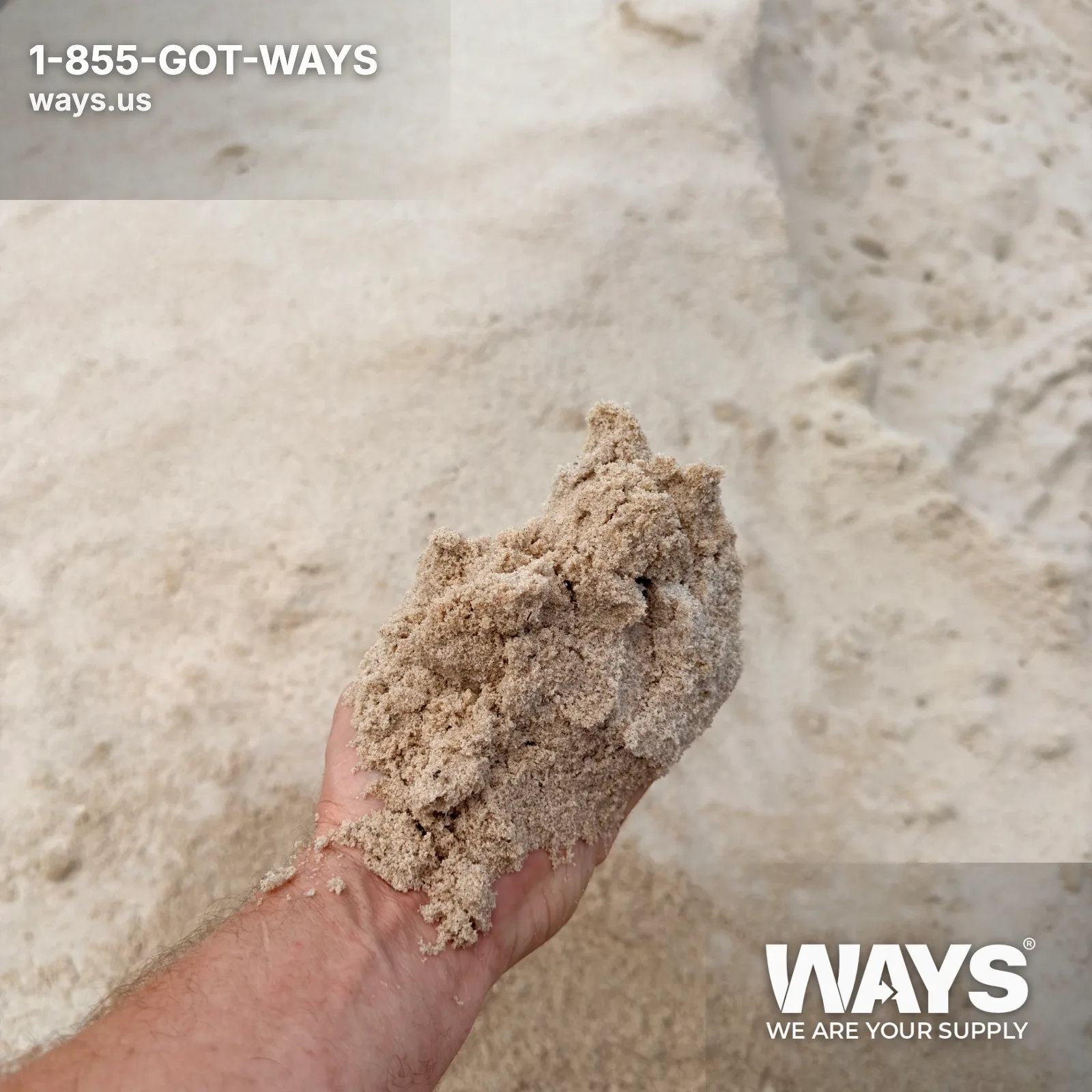
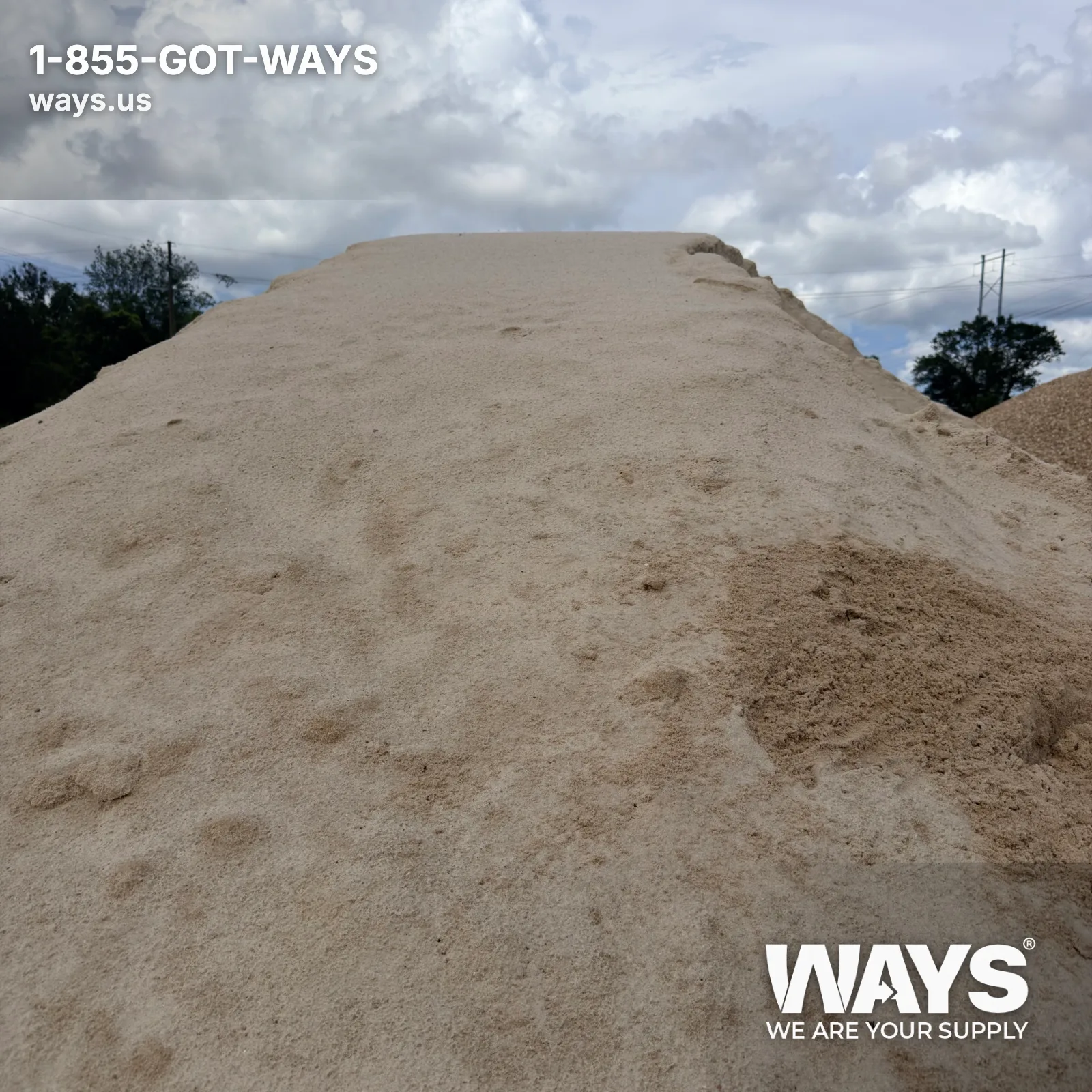
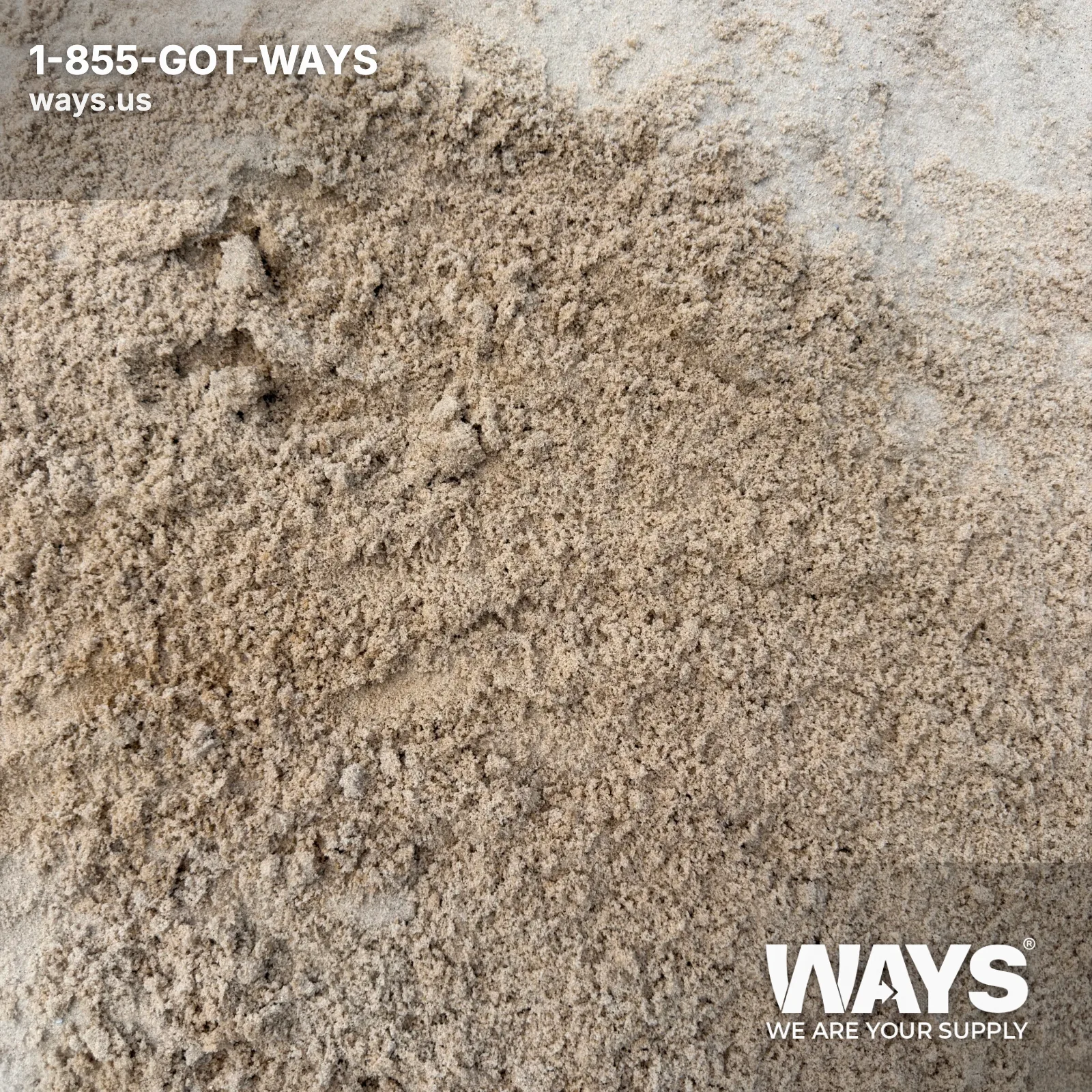

Masonry sand is a fine, washed, and screened sand with consistent particle sizing suited for mortar mixes, stucco, and paver bedding. Its smooth gradation blends clean and holds paste well. Available in bulk yard quantities for residential and commercial masonry supply and delivery.
Masonry sand starts as natural fine sand that is washed and screened to remove oversized particles, clay fines, and organic material. The result is a clean, consistently graded product that mixes and spreads predictably. Masons have relied on it for mortar and plaster work for a long time, and it holds up in both hand-mixed and machine-mixed applications.
You get a sand that mixes smooth and stays consistent batch to batch. It blends into mortar without clumping, gives stucco a clean finish, and beds pavers level. If your mix is fighting you, the sand is usually the problem. This one won't be.
Used for mortar between brick, block, and stone; bedding layer under pavers and flagstone; stucco and plaster mixes; pointing and tuck-pointing work; and joint sand for segmental paving. Common on both residential hardscape jobs and commercial masonry construction.
from $78.50 /ton
Natural variation in color, particle size, and texture occurs between loads and source locations. Coverage estimates are approximate and will vary based on compaction, application depth, and site conditions. Ordering 10 to 15 percent extra is recommended to account for waste and adjustments.
At a glance
- Sold by
- the ton
- Minimum order
- 3 tons
- Coverage
- About 231 sq ft per ton at 1 in deep
- Material
- Washed natural fine sand
- Size
- Fine (under 3/16 in.)
- Texture
- Smooth, workable, binds well
- Color
- Light tan to off-white
- Also called
- Mortar sand, Brick sand, Paver bedding sand, Fine washed sand, Plaster sand
Best for
- Brick and block mortar mixing
- Stucco and plaster base coats
- Paver and flagstone bedding layer
- Tuck-pointing and joint repair
Masonry Sand pros and cons
Pros
- Fine, uniform gradation blends easily into mortar
- Washed and screened to reduce clay and silt content
- Holds paste well for strong, workable mixes
- Good bedding layer under pavers and flagstone
- Widely available in bulk yard quantities
- Works in stucco, block mortar, and tuck-pointing
- Consistent particle size from load to load
Cons
- Not suitable as a structural base or compactable fill on its own
- Will shift without confinement or edging in paver applications
- Can wash out if exposed to heavy water flow without containment
- Not ideal for concrete mixes where coarser concrete sand is specified
- Requires proper mixing ratios to avoid weak mortar joints
- Fine texture can compact unevenly if placed too thick before screeding
Tips for working with Masonry Sand
DIY tips
- For a paver bedding layer, screed masonry sand to about 1 inch thick and do not compact it before laying the pavers. Let the pavers seat into it naturally, then compact the whole finished surface together.
- When mixing mortar by hand, add the sand to the mixer first, then the cement, then water gradually. Rushing the water in all at once makes the mix soupy and weakens the joint.
- Order about 10 to 15 percent more than your calculated coverage. You'll lose some to waste, overfill, and the small corrections you make as you screed or mix. Running short mid-job costs more time than it saves.
Pro tips
- Keep your masonry sand covered on the job site. Rain soaking into a pile changes your water-to-mix ratio and you may not catch it until the mortar starts behaving wrong. A tarp takes two minutes and saves a batch.
- For paver bedding, masonry sand works well but it needs edge restraints set before you screed. Without them the sand migrates over time and your pavers start rocking. Set the restraints first, every time.
- If you are doing tuck-pointing on older brick, match the sand color as closely as you can to the original mortar. Masonry sand in a lighter shade often blends better than concrete sand, which can look too gray on aged brick.
Questions
How much does Masonry Sand cost?
Masonry Sand is from $78.50/ton. Material only. Delivery and sales tax added in cart. Enter your address for a quote.
How is Masonry Sand sold?
By the ton.
What is the minimum order for Masonry Sand?
The minimum order is 3 tons.